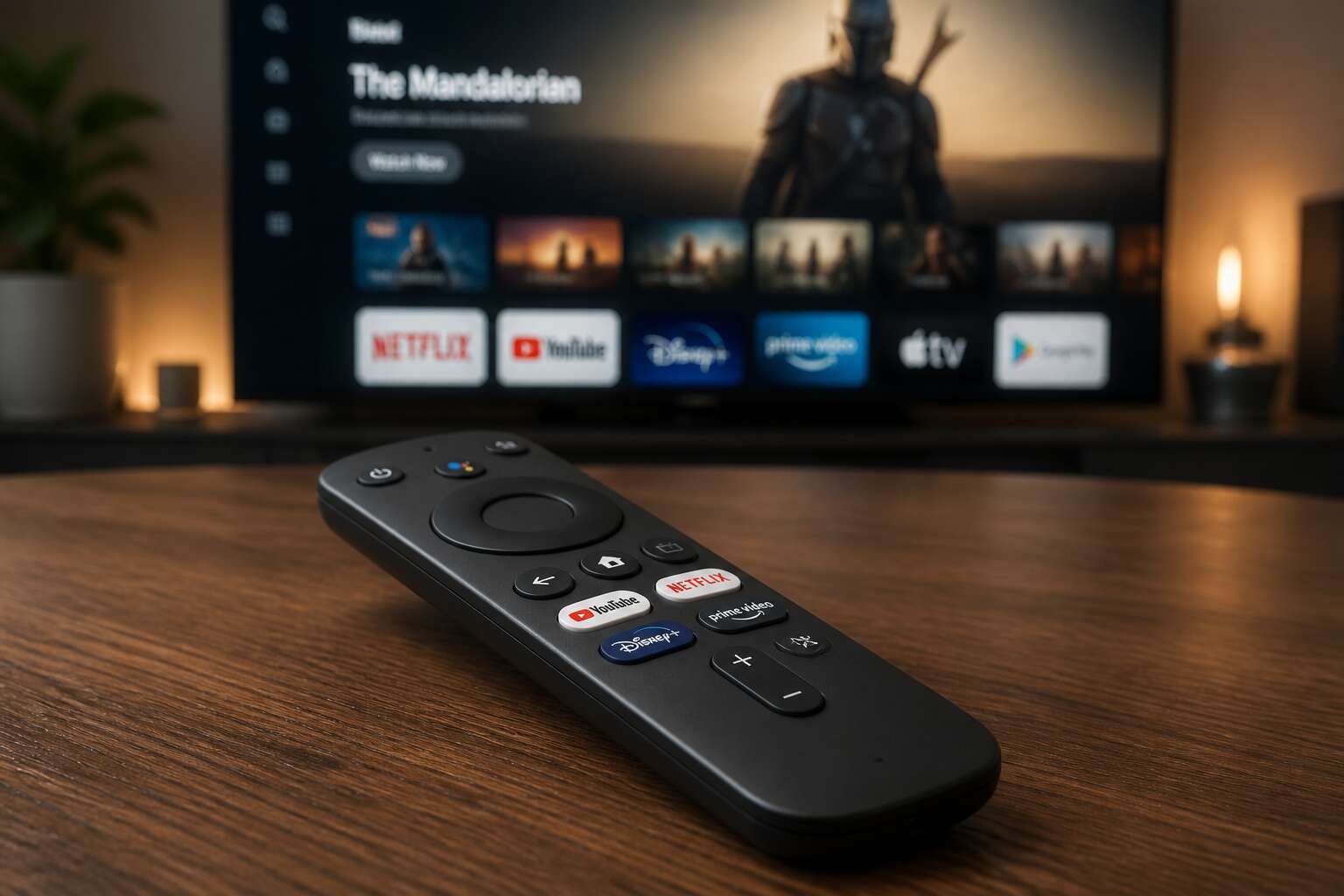
Factors That Influence Android Box Remote Costs
Brand Premiums vs. Generic Alternatives
The true android box remote price is rarely the figure on the label. A branded remote carries engineering and testing costs that cheap copies skip. Generic versions often use thinner plastic and weaker transmitters. You feel that difference in missed presses after a few months.
Several factors explain the gap:
- Build quality and casing thickness
- Compatibility across different box generations
- After-sales support and replacement guarantees
These elements create the premium. For a sporadic viewer, a generic part suffices. For daily use, the branded unit often outperforms three generic failures combined. That is why the smart android box remote price accounts for lifespan, not just the upfront payout.
Feature Set and Build Quality
Feature creep sneaks into remote controls with alarming speed. A basic infrared zapper costs next to nothing. Add voice recognition, a gyroscopic air mouse, backlit keys, and a rechargeable battery, and the android box remote price climbs with every component. More buttons mean a more complex membrane underneath.
Build quality hides in places you never look. The spring tension under each button, the thickness of the PCB, the quality of the conductive pads. Cheap units feel mushy. A well-built unit delivers a crisp click on every press.
Here is what actually moves the price upward:
- Voice search modules with dedicated processors
- Backlit keypads with auto-off sensors
- Air mouse gyroscopes and accelerometers
- Rechargeable lithium batteries
- Programmable macro buttons
That feature list separates a R150 remote from a R450 one.
Wireless Technology: Infrared, RF, or Bluetooth
Wireless technology is where the android box remote price starts doing gymnastics. An infrared remote is the potato of the industry. It costs almost nothing to produce because it uses an LED that blinks in a straight line, requiring an unobstructed view of your set-top box. The only engineering challenge is making it look less bored.
Radio frequency remotes, meanwhile, use a 2.4GHz connection that slices through walls, furniture, and your neighbour’s bad decisions. They need a paired USB dongle and a proper transceiver chip inside. That pushes the parts bill up by around R60 alone.
Bluetooth is the prima donna of the group. It demands pairing protocols, power management circuitry, and compliance testing for every Android box it hopes to control. The cost reflects the complexity.
– Infrared: dirt cheap, line of sight only
– RF: moderate cost, works through obstacles
– Bluetooth: premium price, software integration fees
Think of it as paying for a translator. Infrared speaks one dialect. RF mumbles universally. Bluetooth requires custom firmware updates every time the Android box changes its mind about a codec. The more sophisticated the wireless radio, the more engineers get paid to make it behave, and that salary appears directly in your android box remote price. A R250 remote might use off the shelf RF chips. A R500 remote has custom antenna tuning and a proper power tree. You are not buying plastic. You are buying radio engineering.
Battery Life and Charging Method
Most people never think about the battery until the remote dies mid-scene. That frustration is silently priced into your android box remote price. A remote using two AAA batteries costs less to build. It needs a simple battery holder and no charging circuitry. A remote with a built-in lithium cell requires protection circuits, charging management, and a USB port. Each component adds R20 to R40 to the parts bill.
Charging method also shifts the final price tag. Consumers weigh their options:
- AAA batteries: lower upfront cost, recurring expense
- Micro-USB rechargeable: moderate cost, standard cable
- USB-C rechargeable: higher cost, modern convenience
- Wireless charging: premium cost, no cables at all
Micro-USB is cheap and familiar. USB-C costs more but aligns with modern smartphones. Wireless charging needs induction coils and alignment magnets, which can double the power management cost. Consumers fear the dead battery more than the price tag. Manufacturers engineer longer standby times and efficient sleep modes, and those engineering hours appear in the android box remote price.
Packaging and Bundle Inclusions
A plain brown box and a glossy retail sleeve can differ by R20 before you even open them. That quiet gap explains why packaging shapes the android box remote price. Cardboard, ink, molded trays, and printed leaflets all add production cents that retailers multiply across their margins. For South African buyers, shipping weight and import logistics nudge the final figure even higher.
Bundle inclusions shift the number further. Some remotes ship with AAA batteries, a braided USB-C cord, or a wall adapter. Those extras feel generous, but they carry factory costs that appear on the shelf tag. A remote alone in a blister pack looks cheaper, yet it often costs more per unit than one packaged with its companion Android box.
- Remotes bundled with an Android box in one package usually present a lower android box remote price than standalone retail versions.
- Premium clamshell packaging with magnetic flaps adds cost without adding function.
A Detailed Breakdown of Typical Remote Control Price Ranges
Budget-Friendly Options Under $10
While wandering through Johannesburg markets, I noticed a curious pattern. The android box remote price drops sharply once you cross the $10 line. For less than the cost of a burger, you can hold a device that controls your entire entertainment setup. This budget tier is not about frills. It is about raw functionality.
Here is what under $10 typically buys you:
- Imported bulk units that cost $2 to $4 per remote before shipping.
- Local shop models priced at $6 to $8, often with a warranty.
- Online marketplace steals that hover around $9, but only during flash sales.
These remotes are perfect for emergencies. They shine as spares for guest bedrooms or rental units. The cost changes weekly depending on shipping fees and rand volatility, so checking multiple retailers is wise. A savvy shopper can grab a bargain during sales or pay double during stock shortages.
Mid-Tier Controllers Between $10 and $25
Stepping up from the bargain bin, the $10 to $25 bracket is where the android box remote price begins to reflect genuine engineering. This is the realm of the daily driver, the remote you will hold during a full season of your favourite series. I have found that this price range acts as a sweet spot for most South African households, where the extra rand translates directly into a noticeable upgrade in daily comfort and reliability.
What separates these controllers from their cheaper cousins is the tactile experience. You will notice the plastic feels denser, the buttons have a satisfying click, and the layout is often more intuitive. Furthermore, this tier frequently introduces backlit keys, a feature that transforms late-night viewing. It eliminates the frantic fumbling in the dark for the volume button. For roughly the cost of a movie ticket, you get a device designed to be held for hours without causing finger fatigue.
Typically, this mid-tier market offers several distinct advantages over the imported bulk units. You are paying for local distribution and better quality control, which means fewer dead-on-arrival units. Consider what is commonly found in this price segment:
– Improved ergonomics with contoured grips for prolonged use
– Dedicated shortcut buttons for popular streaming apps like Netflix and YouTube
– Programmable keys to map your specific functions
– RF or Bluetooth connectivity that allows control from another room without line-of-sight
– A more robust IR blaster that can also control your TV and soundbar
Navigating the android box remote price at this level requires some attention to the fine print. Some retailers bundle these remotes with a free HDMI cable or a mini-keyboard dongle, which adds value. However, be wary of models that tout “air mouse” functionality; while convenient, the gyroscopic sensors in this bracket can sometimes feel jittery. The real value here lies in the balance. You are avoiding the disposable nature of the $6 units while not yet entering the luxury territory of flagship models. It is a calculated investment in a component you will touch every single day.
Premium Remotes Priced Above $25
Crossing the R400 threshold fundamentally changes what the android box remote price represents. You are no longer purchasing a peripheral; you are acquiring a precision instrument. The aluminium casing of a high-end unit dissipates heat and adds a heft that signals permanence. These remotes often feature learning capabilities, allowing them to absorb the IR codes of legacy devices in your home theatre setup.
What justifies this expenditure is the interplay of components. Far-field microphone arrays capture your voice from across the lounge without shouting. Haptic feedback confirms each press. Consider what the premium tier typically delivers:
- Gyroscopic air mice with zero drift calibration
- Backlit QWERTY keyboards with motion-activated illumination
- Docking stations with pogo-pin charging
The android box remote price in this segment also covers superior customer support. When you buy a flagship remote from a reputable distributor, you receive firmware updates and a warranty period measured in years, not months. That assurance is part of what you pay for.
Why Some Multi-Device Remotes Command Higher Costs
The average South African lounge holds four remotes, yet the android box remote price for a single universal unit can exceed the cost of all four combined. That gap comes down to complexity.
Multi-device remotes must juggle IR, RF, and Bluetooth protocols simultaneously. They also require onboard memory to store device profiles. Consider what drives the cost:
- Processor for macro commands
- Database of manufacturer codes
- Multiple transceivers
Each component adds a layer of engineering. A standard remote sends one signal. A multi-device remote negotiates with a television, a soundbar, and a decoder. That negotiation demands more testing and certification, which raises the android box remote price. Buyers are paying for the integration, not just the buttons.
Hidden Fees and Shipping Charges to Watch For
A typical android box remote price in South Africa leaves out the costs that matter. Trust me, the figure on the screen rarely matches what you pay at checkout.
Shipping charges from international sellers add R80 to R250. Local courier fees run lower, but they still inflate the final bill. Import duties kick in when the parcel’s value crosses R500. Some sellers add handling fees that only appear at the payment stage.
Here is where the extra costs hide:
- Shipping from China: R120 to R300, with two to four week delivery
- Express courier: R350 to R700, arriving in three to five days
- Credit card foreign transaction charges: 2% to 3% of the total
The android box remote price you see on a store page is never the price you pay. Check the final breakdown before you confirm anything. That small saving on a bargain remote can vanish in shipping charges alone.
Original Remotes vs. Replacement and Third-Party Alternatives
OEM Remotes: Authenticity and Warranty Considerations
Let’s be honest, losing your remote is a rite of passage. But the moment you start searching for a replacement, the android box remote price becomes a topic of intense personal research. You might assume the OEM part is your only option, which is understandable. The original equipment manufacturer knows their hardware best, right? Sure, but they also know you are panicking, and that panic often carries a premium. You are not just paying for the remote; you are paying for the assurance that the back button will work without a fight.
The real drama unfolds when you compare that official part with the third-party lookalikes. That OEM unit often comes with a warranty that actually means something, which is a comfort if you tend to drop things. However, the price difference can make you question if that piece of paper is worth the extra bucks. On the other hand, generic options are a gamble. They might work perfectly for a year, or they might fail on a Tuesday for no reason. Specifically, the common failure points for budget remotes include:
– Flimsy plastic casing that cracks under normal finger pressure.
– Membrane buttons that lose their tactile response within months.
– Inconsistent wireless pairing that requires a reboot ritual.
While the android box remote price for OEM parts includes the cost of rigorous testing, third party units often skip that step. The savings are real, but the hidden cost is the potential for a frustrating user experience. If you buy a replacement that dies after three months, you are back to square one. That is not a saving; that is a rental.
Third-Party Remotes That Deliver Nearly Identical Performance
Some third-party remotes skip the branding entirely. The android box remote price becomes a practical discussion when a generic unit matches the original’s response and feel. I have tested several replacements that share specific traits:
- A casing that resists flex under normal pressure
- Buttons with a firm, satisfying travel
- Wireless reliability that needs no repeated pairing ritual
These qualities make the android box remote price easier to digest. When the buttons feel right and the connection holds, the absence of an official seal becomes irrelevant. A South African buyer who chooses this route loses little. The difference, in daily use, often disappears.
Used and Refurbished Remotes: Cost Savings vs. Risks
A remote that arrives in a sealed box, smelling faintly of fresh plastic, offers a certain comfort. But the more interesting question involves the units sitting between brand new and completely generic. Refurbished remotes, for example, present a peculiar value proposition. The android box remote price for a certified refurbished unit often sits roughly thirty percent below the original retail figure, yet the internals are frequently identical to a fresh OEM product. The difference usually lies in the outer shell, which may show light wear from a previous life.
Consider the practical criteria when weighing a refurbished unit against the original.
– Check the battery contacts for corrosion or white residue.
– Verify the pairing button functions before you pay.
– Confirm the return policy covers wireless connectivity issues.
The android box remote price becomes a gamble when refurbishment quality varies between sellers. Some units are simply wiped and repackaged, while others receive new button membranes and cleaned circuit boards. For a South African buyer, the delivery time and import duties can erase any savings. An original remote, purchased from a local retailer, offers immediate replacement and a known track record. The refurbished route requires patience and a tolerance for uncertainty. When the remote fails after three weeks, the cost per day of use exceeds that of a new unit. That calculation matters more than the initial price tag.
Compatibility of Universal Remotes with Popular Android Box Models
A universal remote promises to replace the clutter on your coffee table. The android box remote price for a universal unit often lands below the OEM equivalent, but compatibility remains the deciding factor. Popular boxes like the Nvidia Shield, Xiaomi Mi Box, and Amazon Fire TV Stick each rely on different wireless protocols. A remote built for one model may ignore another entirely.
Before paying, check the listing for explicit model numbers. Many manufacturers publish supported devices clearly, yet some listings hide the limitations in the fine print.
– Some universal remotes only work with IR, while the box uses Bluetooth exclusively.
– Certain models need a separate dongle or receiver that you must buy in addition.
– Firmware updates on the box can break an otherwise working remote.
A generic universal remote offers savings, but a unit that cannot pair is worthless regardless of cost.
Long-Term Durability and Support Differences
Original remotes carry a higher android box remote price, but that markup often buys a longer lifespan. The plastic feels denser, the buttons resist wear, and the IR blaster holds its range. After two years of daily use, an OEM unit might still feel crisp. A cheap third-party alternative may fail within months, especially if the box runs hot or gets knocked off the couch.
Support matters too. Manufacturers issue firmware updates that can affect pairing, and nobody will troubleshoot a generic unit. I have seen users chase fixes online for a five-dollar remote they cannot even identify by model. That is the hidden cost of savings. A replacement without documentation or warranty is a gamble, not a bargain.
Where to Shop for the Best Android Box Remote Deals
Major E-Commerce Marketplaces and Price Comparison Strategies
Market volatility defines the android box remote price landscape in South Africa. Fluctuations in import costs and exchange rates mean a controller can shift by R50 within a single week. This makes knowing where to look as critical as knowing what features you need. The major e-commerce marketplaces remain the primary hunting grounds, but their pricing structures are not equal.
Consider the platforms in your search:
– Takealot: Offers the most consistent stock and frequent daily deals, but often carries a premium for convenience.
– Amazon: Useful for international models, but beware of the import fees and significant shipping delays that negate price savings.
– Bidorbuy: A fertile ground for lower prices, but you navigate seller reliability and potential warranty dismissal.
A robust price comparison strategy requires you to move beyond the first page of search results. Search aggregators like PriceCheck provide a baseline, yet their data lags behind live inventory. In my experience, the most reliable methodology is to check the current price on Takealot, then cross-reference that against the seller’s direct website. The difference is often the shipping cost financially hidden elsewhere. Moreover, do not trust “strikethrough” prices on any platform. They frequently reflect an outdated RRP that never existed locally.
The divergence between local warehouses and direct import shipping is where the true android box remote price is decided. While a unit from China appears cheaper, the shipping timeline and the inability to return a faulty remote make the local premium a worthwhile expense for many buyers. Ultimately, the best strategy is to track the price for a week, set a threshold, and strike when the market dips.
Direct from the Manufacturer vs. Authorized Retailers
When you buy directly from a factory in Shenzhen, the android box remote price turns into a psychological test. The number undercuts every local store by half, and your fingers itch. But a direct purchase asks you to eat the risk of a dead unit. Authorized retailers in South Africa charge more because they carry the burden of your mistake. Their android box remote price includes a return address.
Consider what that mark-up actually buys:
- A shelf in a physical shop.
- A human who answers a call.
- A warranty that operates without a courier.
I have watched buyers save R100 on the controller and then spend R400 shipping it back to a warehouse that never replies. The manufacturer offers a lower number. The retailer offers a lower cost of failure.
Leveraging Coupons, Flash Sales, and Bundled Offers
For the savvy shopper, the android box remote price can drop dramatically if you chase the right moment. Flash sales on South African tech platforms often slice 20% off for a few hours, and coupon codes from retail newsletters add another layer.
I have found that bundled offers, where a remote ships with a charging cable or a silicone case, quietly reduce the cost per item. Check the checkout basket before paying, because the bundle’s total often beats the standalone price.
- Set alerts on Takealot for price drops.
- Follow brands on social media for secret flash codes.
- Compare bundled sets against single units on Loot.
Loyalty programme coupons rarely apply to electronics, but when they do, the savings justify the wait!
Local Electronics Stores and the Advantage of Physical Inspection
Local electronics stores remain undervalued for remote purchases. The android box remote price in these shops often includes a degree of negotiation that online carts cannot replicate. Shoppers can inspect the tactile response of each button and compare the weight of different units. Physical inspection catches flimsy plastic or poorly aligned infrared emitters before spending a cent.
Some stores in South Africa carry generic models alongside OEM options. A price match policy is common in many neighbourhood retailers. That single question can align the in store figure with the best online deal. Walking out with a working remote saves shipping fees and waiting time.
Checking Customer Reviews and Return Policies Before You Buy
The cheapest listing sometimes hides the costliest return! A remote that fails to pair after a firmware update becomes the buyer’s problem when the seller’s return window closes. That reality shapes how I search for a replacement remote.
Verified purchaser reviews reveal patterns no specification sheet shows:
- Pairing failure with specific Android box models
- Button lag that appears after weeks of use
- Signal dropouts at typical seating distance
Read the return policy for restocking fees and shipping responsibilities. South African marketplace vendors vary widely. Some demand the buyer cover return freight, converting a low android box remote price into a costly outcome. A vendor who states the policy clearly likely honors it.
International Shipping and Regional Pricing Variations
On Takealot, the android box remote price often hides a geographic story. A R150 remote in Johannesburg might cost R220 in Cape Town, not because of inflation, but because of regional distributor margins. International sellers on Amazon and AliExpress offer lower base prices, yet those figures exclude shipping timelines that stretch past two weeks. For South African buyers, the local marketplace usually wins on speed, even when the shelf price reads higher.
I compare three channels before committing:
– Local e-commerce platforms like Takealot and Loot, which maintain consistent stock levels
– Global marketplaces such as Amazon and Banggood, where the android box remote price drops during seasonal sales
– Direct import sites like Gearbest, which charge in dollars but often include free shipping thresholds
The exchange rate flips every calculation. A remote quoted at $8 becomes R150 on a good day, then R165 by Friday. International vendors rarely adjust their prices, so the final cost rests on the rand’s mood. Some sellers bundle multiple units to justify freight, which works for households with several boxes. Others offer tracked shipping that adds R40 to R60, effectively erasing the savings.
Regional pricing variations also emerge between major metros and smaller towns. Durban buyers sometimes find better deals through local electronics wholesalers who bypass national retailers. Port Elizabeth and Bloemfontein shoppers often pay R20 to R30 more per unit due to delivery surcharges. The android box remote price fluctuates with logistics routes, so checking multiple sites before purchase remains the only consistent strategy.
Maximizing the Value of Your Remote Purchase
How to Identify Genuine Deals Without Sacrificing Quality
Once you decide to upgrade, the android box remote price often dictates how long you hesitate. Many buyers in South Africa fall into the trap of equating a higher number on the tag with a better experience. The exact opposite is frequently true, especially when you consider how many manufacturers inflate costs for a logo or a specific finish.
Instead of scanning for the cheapest option, focus on the internal components and the tactile response of the buttons. A remote that costs R150 but uses a cheap membrane will wear out faster than a R220 model with a robust silicone keypad. Consider how often you will touch this device. You will press the volume button hundreds of times every month.
- Examine the weight distribution. A heavier unit often contains a larger battery or better shielding.
- Check the antenna placement. A poorly positioned one causes dropouts, regardless of the android box remote price.
- Test the backlight, if available. Dull LEDs reduce usability in a dark lounge.
Another factor is the actual sensor. Many affordable controllers use an older IR LED that forces you to aim perfectly. A slightly pricier model with a wider transmission angle saves you from frustration. When you compare the android box remote price between stores, ask about the return policy for dead units. Online marketplaces often charge a courier fee for returns that equals half the remote’s cost.
Your local electronics shop in Johannesburg or Cape Town may list prices higher than overseas sellers, but they provide warranty hands. Factor that protection into the final calculation. A remote that fails after three months costs you more in shipping and waiting time than you saved at checkout. The android box remote price is not just a number, it is a contract between you and the device.
.
Evaluating Remotes Based on Your Viewing Habits
A quiet lounge and the remote in your hand do not always agree. The money you spend on that small device should match how you actually watch. If you binge series for three hours at a stretch, the android box remote price matters less than the ergonomic curve that keeps your thumb relaxed. If you flip between channels constantly, you need a responsive keypad with a stiff spring, not a mushy one that skips presses.
Consider your viewing environment. A projector setup in a bright room requires a remote with stronger IR emitters. The android box remote price for that unit often sits a bit higher, but the alternative is getting up to change the volume every few minutes. For bedroom users who watch in the dark, a backlit keypad becomes essential. That feature pushes the price upward, yet it eliminates the fumbling that ruins a good scene.
A smart approach divides buyers into two broad camps. The casual viewer who watches the news or a sports match for an hour needs limited functionality. The Android box remote price for a basic model serves them fine. The dedicated streamer who navigates complex menus, types search queries, and switches between apps needs better processing and a full keyboard. That requirement justifies a higher spend.
– Casual viewers should prioritise simple layouts over extra buttons.
– Dedicated streamers should verify the remote supports Bluetooth for faster response times.
– Users with multiple devices should weigh the convenience of a universal remote against the android box remote price difference.
The real measurement is not the cost, but the friction. A remote that works without thought on the first press is worth more than a cheaper one that annoys you daily. When you compare the android box remote price across stores, bring your own habits into the room. Ask yourself how many features you will actually use. That honest assessment decides whether you are paying for utility or for something that will collect dust in two months.
Extending Remote Lifespan and Avoiding Early Replacement Costs
A significant portion of remote failures stem from careless handling, not manufacturing defects. I have watched countless users buy a replacement because the original suffered a coffee spill or a cracked board after a fall. The android box remote price for a new unit often exceeds the value of maintaining the one you own. A simple silicone case offers protection against drops and grime, adding years of service for a few rand.
– Keep batteries away from heat sources to prevent corrosion.
– Clean the keypad’s edges monthly to stop sticky buildup.
– Store the remote upright to avoid accidental button presses.
The aggregate cost of replacing a remote every year far exceeds the price of a quality model that lasts. For many buyers, the android box remote price becomes a recurring expense rather than a single purchase. A little care reduces that churn. Instead of comparing prices every few months, consider the cost per use over the device’s lifetime. This calculation reveals the true value of a remotely controlled setup.
Understanding Compatibility Specs to Prevent Mismatches
Two remotes can look identical on a shelf yet function completely differently. The android box remote price tells you little about whether the unit will actually pair with your device. I have watched buyers spend on a premium controller only to discover their Android box uses an older Bluetooth profile or a proprietary RF frequency. Before you spend a cent, cross-check the remote’s compatibility specs against your device’s manual. Some boxes require a specific pairing sequence, while others only respond to remotes with certain chipset versions.
Consider these checks before checkout:
- Verify the remote’s IR or RF frequency range matches your box model
- Confirm the Bluetooth version aligns with your device’s receiver
- Check if the remote requires a USB dongle that must be included
A mismatch turns a low android box remote price into a wasted expense. The cheapest unit that works properly offers more value than the finest one that does not.
Should You Invest in a Smart Speaker or App-Based Alternative?
Your smartphone can replace that plastic remote entirely. Most Android boxes pair with a mobile app over Wi-Fi, which turns your screen into a touchpad and keyboard. That said, the android box remote price often looks like a bargain compared to the hassle of typing on a D-pad.
Smart speakers add another layer. Google Home or Alexa devices can start shows, adjust volume, and pause playback on compatible boxes. Voice control depends on your network stability and the box’s supported services. In South Africa, where load shedding disrupts routers, a laggy connection makes voice commands feel slower than pressing a button. A dedicated remote with a low android box remote price stays responsive when Wi-Fi drops.

0 Comments