Core Differences Between Android Box and Google TV
Platform architecture and operating system basics
“Content is a kingdom, and the device is the key,” whispers a sage, and in South Africa our living rooms glow with that truth each night as dusk settles over the city lights and the streaming glow begins.
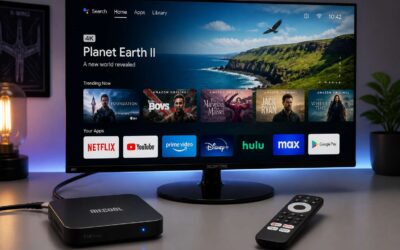
When you compare android box vs google tv, the architecture reveals its character. An android box leans on a traditional Android TV core, offering broad app compatibility and customization. Google TV rests on a curated layer that weaves search and recommendations into a single, seamless portal.
- Platform core: Android Box uses the Android TV base; Google TV overlays a curated discovery layer.
- App ecosystem: Android Box taps Google Play for broad app access; Google TV emphasizes integrated apps and content cards.
- Navigation experience: Android Box relies on a standard launcher and apps; Google TV unifies search across apps for a single portal.
For South African households, the choice shapes how you access shows, games, and live channels—the one that feels like a familiar library, the other like a guided journey through a vast, star-lit archive.
User interface and navigation experience
Content is a kingdom, and the device is the key,” whispers a dusk-lit sage as the city glows through South Africa’s lounge windows. In SA living rooms, the home screen invites you to a familiar library of apps or a luminous, guided journey through a vast archive.
When you weigh android box vs google tv, the interface reveals its temperament: the traditional box surfaces a practical, app-first feel with a standard launcher, while Google TV layers discovery, content cards, and a single search across apps into one seamless portal.
- Unified search across apps to reduce hopping between stores
- Content cards that surface what matters now
- Navigation that feels like a guided tour through your favorites
For South African households, that difference can feel like choosing between a well-loved library and a star-lit voyage through a shared archive—each shaping how you reach shows, games, and live channels.
App stores and content availability
When weighing android box vs google tv, the app store landscape and content availability do the talking. A dusk-lit sage might say, “the right store is the doorway to your favorites,” and in SA lounges that doorway opens to a richly stocked archive.
- Android boxes lean on the broad Google Play Store and the freedom to sideload APKs, widening app choices beyond what’s pre-installed.
- Google TV favors a curated Play Store for TV and a unified discovery layer, with content cards guiding you to what matters now.
- In South Africa, licensing and regional rights shape content availability, so some apps or channels may appear differently than in other regions.
Android boxes offer breadth through the Google Play Store and optional sideloading, while Google TV leans on a curated, TV-focused store and a seamless discovery feed. In SA, regional licensing nudges which apps and channels are accessible, coloring your library more than the hardware itself.
Hardware requirements and performance expectations
In a world where “speed is the new luxury,” choosing android box vs google tv is ultimately about the hardware under the hood. For South African lounges, smooth 4K playback and a quiet chassis beat glitzy features every time.
- Processing power and RAM: Android boxes often ship with more RAM to handle sideloaded apps and multitasking, while Google TV targets efficiency with leaner memory footprints.
- Storage and expandability: Android boxes typically offer larger internal storage and easy USB or microSD expansion; Google TV devices rely on cloud streaming and modest on-board storage.
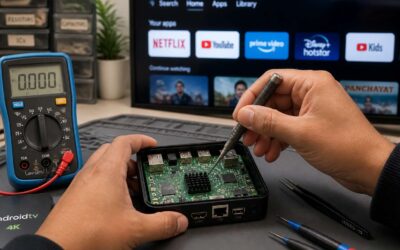
- Cooling and power: Android boxes can run warmer under load, making cooling and power draw a consideration; Google TV designs emphasize thermals to minimize fan noise.
Connectivity and media capabilities thread the needle too—4K, HDR formats, and codec support influence real-world performance more than the chipset name. In SA, practical reliability matters as much as price tag, shaping how you experience the interface flow and app responsiveness when the action heats up.
Content and App Ecosystems on Android Box and Google TV
App compatibility across services
Across South Africa, 72% of households now juggle multiple streaming apps in a single evening, chasing fresh content with the precision of a hunter. android box vs google tv sparks that chase in different ways: one system leans into flexible app choices and sideloading, the other stacks Google-backed recommendations and tight live-TV integration. The result? Content and app ecosystems that can either feel expansive or curated, depending on the service you prefer.
Consider how these ecosystems actually behave across services:
- Native apps from Netflix, YouTube, Showmax, and more
- Cross-device casting, voice search, and social sharing
- Sideloading flexibility vs. curated app stores
With that in mind, the choice between android box vs google tv often narrows to how you value breadth versus polish in app compatibility across services. The right pick translates into a smoother, less interrupted viewing experience in a South African living room, where content ecosystems shape every night’s narrative.
Streaming apps availability and updates
In South Africa, 72% of households juggle multiple streaming apps in one evening, turning living rooms into vibrant marketplaces of shows. Content ecosystems on android box vs google tv unfold in distinct rhythms: one embraces flexible app choices and sideloading, while the other leans into Google-backed recommendations and tight live-TV integration.
Updates arrive differently: on an android box, you feel the pull of both polished Play Store releases and the spur of sideloaded gems, whereas Google TV orchestrates updates through native apps and a steady stream of curated suggestions.
- Native apps from Netflix, YouTube, Showmax
- Cross-device casting, voice search, and social sharing
- Sideloading flexibility vs curated app stores
Between android box vs google tv, the cadence of content and apps shapes your nights—expansive catalogs or refined recommendations—delivering a smoother, less interrupted South African living room experience.
Gaming and multimedia app options
In South Africa, 72% of households juggle multiple streaming apps in one evening, turning the living room into a busy marketplace of scenes. When deciding between android box vs google tv, the choice guides not just channels but how content finds you on screen.
An android box offers broad access—a playground for local apps, media centers, and a flexible lineup of sources—letting you map your entertainment without excessive constraints. Google TV prioritizes a streamlined flow: native apps, Google’s search intelligence, and a unified sense of what to watch next, driven by recommendations you feel you can trust.
- Android box: wide compatibility with local streaming apps and media centers for a flexible viewing setup
- Google TV: curated Play Store offerings, native streaming apps, and strong casting and search integration
- Gaming and multimedia: Android boxes open access to a broad ecosystem of games and emulators, while Google TV focuses on polished, officially supported experiences
Across the spectrum, the cadence of content and apps shapes your nights in South Africa—expansive catalogs or refined recommendations—delivering a smoother, less interrupted living room experience.
Casting, screen sharing, and casting protocols
South Africa’s living rooms are a battlefield of apps—72% of households juggle multiple streaming services in a single evening, turning the lounge into a bustling marketplace of scenes. Content and app ecosystems determine what lands on screen, not just the hardware beneath the TV. In the android box vs google tv landscape, casting and screen sharing shape how content lands.
Android boxes offer wide compatibility: local streaming apps, media centers, and emulators come together for a flexible setup. Google TV streamlines to native apps, Google’s search intelligence, and a unified sense of what to watch next. Casting and screen sharing connect devices across rooms.
- Chromecast built-in for Google TV and cross-device casting
- Miracast / screen mirroring for compatible hardware
- DLNA and local-network sharing for media libraries
Casting choices quietly steer your living room storytelling.
Content recommendations and parental controls
In South Africa, 72% of households juggle multiple streaming services in a single evening, turning the lounge into a living data map. android box vs google tv is less about hardware and more about who curates what lands on screen.
Google TV ties content recommendations to Google’s AI, weaving YouTube, Google Play, and native apps into a single forecast of what to watch next. Parental controls ride along with Google accounts via Family Link and supervised profiles, delivering cohesive boundaries for family viewing. Android boxes broaden the field to vast ecosystems—local streaming apps, media centers, and emulators—so recommendations hinge on installed apps and user behavior, with parental-control options scattered across apps and settings.
- Content recommendations
- Parental controls
In this landscape, the decision rests on household media habits and the balance between unified curation and flexible customization.
Performance, UI, and Experience: A Practical Look
Navigation speed and UI responsiveness
Sixty percent of South African households report fewer buffering moments after upgrading streaming devices, a reminder that performance shapes every viewing session. In the android box vs google tv debate, boot times and memory handling reveal how well each platform multitasks under SA network realities. A stutter breaks immersion quickly!
- Consistent transitions
- Predictive search results
- Accessible settings and parental controls
UI describes the feel of interaction—menus, transitions, and finding favourites. The challenge is keeping navigation snappy when apps load heavy skins. The flow should feel natural, with the remote and voice controls offering predictability rather than whimsy.
Experience: A Practical Look ties it together with ecosystem cohesion and reliability. In South Africa’s homes, how updates appear and apps expand matters as much as speed. The best setup feels invisible—there when you need it, quiet when you don’t.
Hardware variants and performance benchmarks
In the hardware variants and performance benchmarks, CPU lanes, RAM pace, and storage speed set the tempo of your viewing nights. android box vs google tv reveals how each platform multitasks under SA network realities, where boot times and memory handling tell the true story.
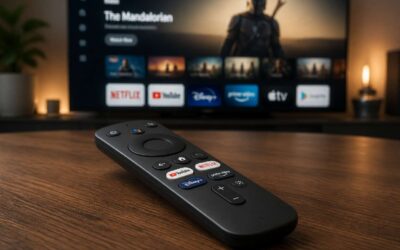
UI is the living skin of the box—responsive, tactile, and calm under pressure. The best systems redraw menus with speed, while voice controls listen with quiet fidelity and the remotes feel like trusted instruments, guiding you rather than wrestling you through content.
Experience: A Practical Look binds ecosystem cohesion to reliability. In South Africa, updates arrive with minimal ceremony, apps grow in the background, and the device remains invisible until summoned. The finest setup is present when needed and quiet when idle, a steady lighthouse in a crowded sea of streams.
Software updates and long-term support
Performance gets its own encore with thoughtful software updates that tighten memory, squash bugs, and shore up security. In the android box vs google tv conversation, long-term support means fewer stalls and steadier multitasking as SA networks flex at peak hours.
UI is the living veneer—updates can sharpen menus, reduce latency, and refine voice control so you’re not wrestling with the remote. The android box vs google tv dynamic shines when the surface stays calm, responsive, and unfussy during a late-night binge.
- Security patches that protect data
- Stable feature cadence to avoid regressions
- App compatibility with new streaming formats
Experience: A Practical Look shows software updates and long-term support binding the ecosystem to reliability. Updates arrive quietly, leaving the device invisible until summoned—steady as a lighthouse while South African households navigate crowded streaming seas.
Customization, settings, and accessibility
Evening screens in South Africa often resemble a crowded bazaar of streams. Performance isn’t just speed; it’s persistence—zones of calm where pauses vanish and multitasking survives the next ad-break. In the debate around android box vs google tv, performance becomes a measure of reliability under pressure.
- Personalized home screens reduce clutter and search time.
- Accessible controls: larger text, voice prompts, captions.
- Fine-grained settings: HDMI-CEC, audio passthrough, color depth.
Customization, settings, and accessibility turn choice into agency. You can tune fonts, contrast, and captions, making late-night binges less straining and more inclusive, no matter the room or mood.
Value, Price, and Ecosystem Fit
Cost structure and upgrade paths
In a crowded market, the choice between android box vs google tv isn’t just a feature sprint—it’s a long game. South African households weigh build quality, reliability, and how much they’ll invest over years, not just the initial price tag.
Value hinges on ecosystem fit and ongoing costs. Google TV often delivers a cohesive experience with Google services and streaming apps, while Android boxes offer broader app freedom and local content options at a wider price range. The right pick aligns with your devices and habits.
Cost structure and upgrade paths
- Upfront hardware price
- Accessory and remote options
- Streaming service subscriptions
- Firmware updates and security patches
Upgrade options vary from stepping to a more capable model to adding a streaming stick or expanding storage. The decision shapes future app availability, updates, and how smoothly content flows through your home, especially for South African audiences navigating regional apps and services.
Privacy and security considerations
In South African living rooms, a streaming device is less a gadget than a daily confidant. “The question isn’t which box is cheapest, but which box fits your rituals,” a veteran observer notes. In the android box vs google tv debate, long-term value is measured by durability, updates, and how often you’ll actually use it.
Price is a moving target; the upfront tag matters, yet ongoing costs—apps, subscriptions, and firmware updates—shape the real value. Google TV tends to deliver a cohesive experience for Google-powered households, while Android boxes offer broader app freedom and local content options across a wider price range that can suit varied budgets.
Privacy and security considerations deserve equal scrutiny. The right pick reflects how you manage data, permissions, and firmware integrity.
- Data collection and telemetry practices
- Frequency of security patches and firmware updates
- App permissions and remote access controls
Warranty, support, and service quality
In the long game, value is less about the price tag and more about how the box keeps up with your streaming rituals. android box vs google tv is less a duel and more a gauge of durability, update cadence, and the quality of the content ecosystem you actually use.
Upfront sticker price matters, but the true cost is a running tally of apps, subscriptions, and firmware. In South Africa, the price spread means a cheaper android box may bite back with regional app gaps, while Google TV often delivers a tighter, more predictable bundle and fewer surprise fees.
Warranty, support, and service quality seal the ecosystem fit. Here’s what to expect:
- Local warranty terms and service networks in South Africa
- Timely firmware updates and official support channels
- Reliable repair options and accessible parts
- Clear replacement policies for popular models
Best-use scenarios: who should choose which platform
“The real value isn’t the box itself; it’s the ecosystem that keeps your streaming rituals alive.” When weighing android box vs google tv, it’s less a duel of hardware and more a gauge of durability, cadence of updates, and the content web that actually surrounds you.
Upfront price is a tease; the running bill—apps, subscriptions, firmware—tells the longer story. In South Africa, cheaper hardware may yield regional app gaps, while Google TV often offers a tighter bundle and fewer surprise fees that surface later.
A thoughtful split: align choice with daily rituals and the size of your digital pantry.
- For a streamlined, update-forward experience with curated content: Google TV.
- For flexibility, hardware variety, and bespoke controls: an android box.

0 Comments